Ah, I did see the Buddha translation. But rejected it as incorrect.
However, I also found a translation that was almost correct. It was something like - strong desire of an ordinary man. But I also thought that it was wrong. And rejected it.
Guess I should have believed I had found the correct translation.
Anyway, I did a google search with , 山繭胴毛鉤 [Yamamayu dō kebari].
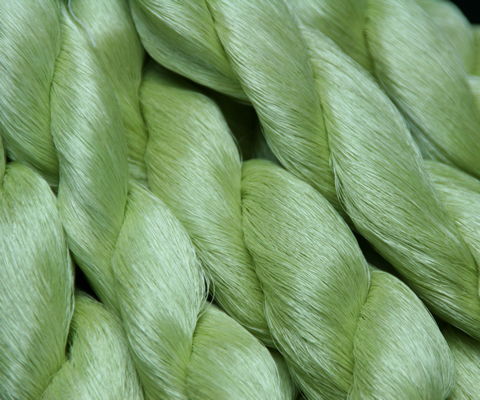
Which could be translated several ways : Mountain Cocoon body kebari. Saturnia body fly. Or Yamamayu body fly.
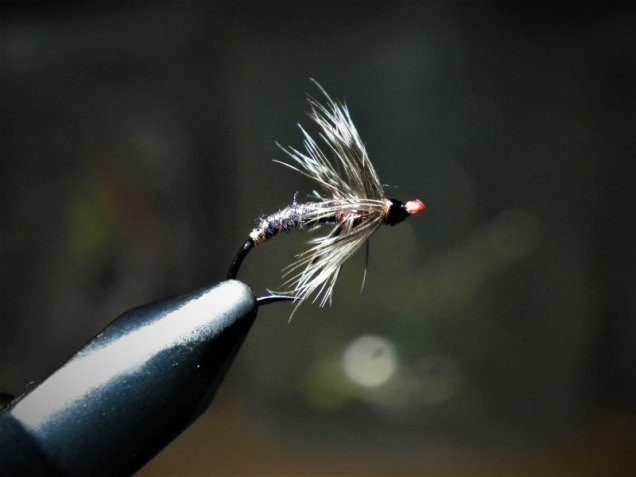
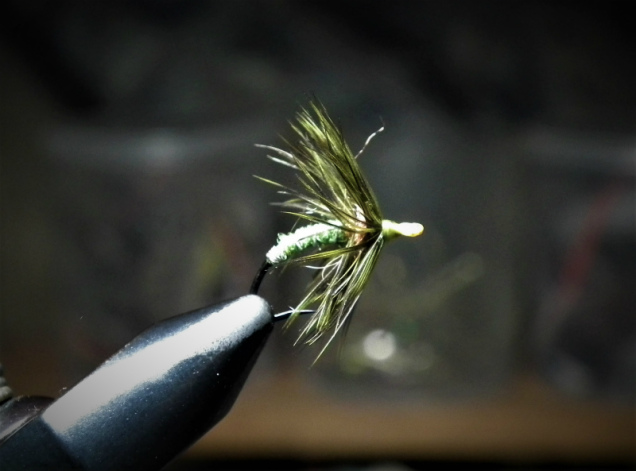
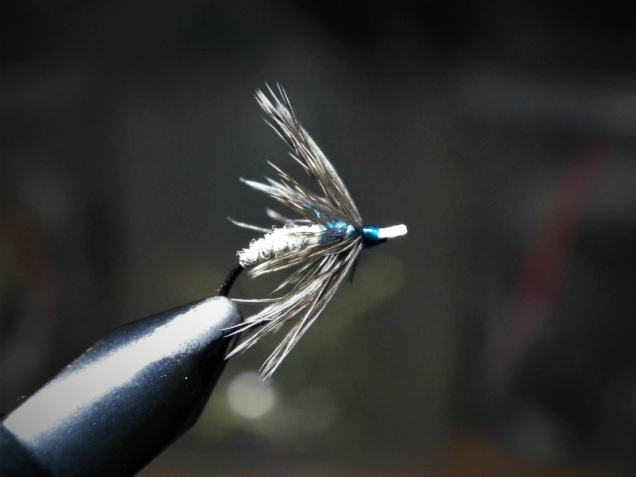
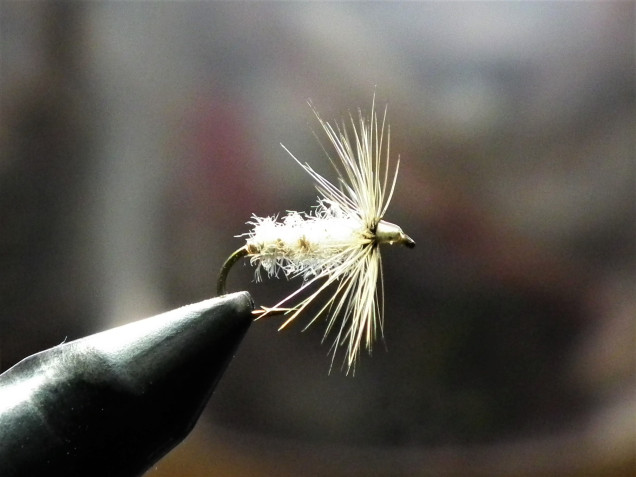
There are some Mountain Cocoon Kebari on the Densho-Kebari website.
伝承毛鉤 [denshō kebari] Traditional Kebari or Folk Lore Kebari
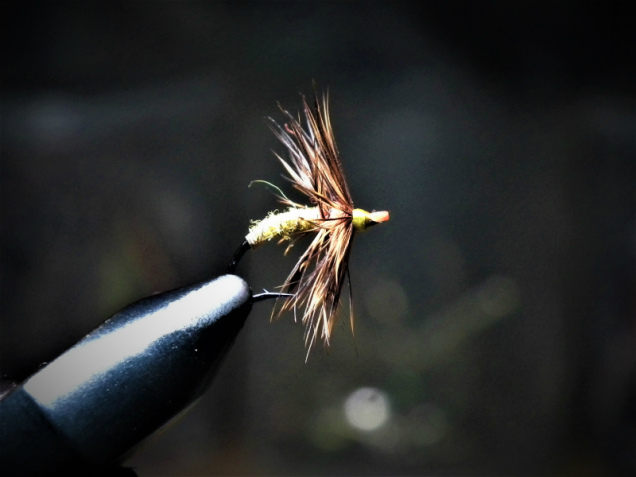
Sinking Hanagasa Mountain Cocoon Kebari
But more informative. I found two of Todoroki-san’s blog post from August 2015 that showed how he tied 2 different kebari with Mountain Cocoon bodies.
2015・08・01
普通毛鉤 山繭胴 ヤマメ毛鉤
Futsū Kebari Mountain Cocoon Yamame Kebari
futsū kebari yamamayu dō yamame kebari
The tying step in the picture labeled Mountain Cocoon Natural. Looks chaotic. 
山繭 ナチュラル Mountain Cocoon Natural
山繭 ぺールグリーン Mountain Cocoon Pale Green
Interesting statements:
山繭は水の中では透けるため. The mountain cocoon is transparent in the water.
ヘッドの朱色も魚へのアピール. The vermilion color of the head also appeals to the fish
2015・08・05
逆さ毛鉤の蓑毛調整
Sakasa Kebari of Minoge Adjusted??
[ I was not sure of the meaning of the last phrase. 調整, Chōsei. Will only translate as Adjustment or Tone Adjustment. And チョウセイ, Chousei ; translates as Adjust or Adjustment. And 蓑毛調整, Minoge chōsei : translates as tailoring adjustment. Strange mystery.
My guess is that it refers to the way he folded & adjusted the length of hackle. When folding it over the dubbed vermilion color head of the kebari. As shown in the bottom drawing labelled ;
逆さ毛鉤蓑毛の長さ調整, Sakasa Kebari Minoge Length Adjustment.
A neat trick to shorten the length of the feather barbs by about 25%. When they are to long.
2x hook gap is to long. Ideal length = 1.5 x hook gap. As stated.
Sakasa Kebari of Adjusted Minoge
*** I linked to Google translated web pages for both blog post. Not sure if it helps understanding or not. Because the digital translation is very strange.
Often where it says Wool it should say Minoge. Is one example.
Other examples:
Adjusting wool of inverted hair folds = 逆さ毛鉤蓑毛 調整 = Minoge Sakasa Kebari Adusted.
Dupped the mountain vermilion vermillion dide as a head back to the original =
折り返した元にヘッドとして山繭朱色ダイドをダビング
Which I think should translate as
First dubbing the vermilion mountain cocoon as a head at the origin.
[ Google translates ダイド, daido, as Dide. But Google translates 第ど, daido as First Thing.]
Then there is this odd bit of translation:
ダイドをダビング, daido o dabingu , Dude Dubbing ( that is funny  }
}
第どをダビング, dai do o dabingu , dubbing the chapter or second etc, the dubbing.
Strange puzzle - Japanese to English or English to Japanese language.
Anyway, Todoroki-san’s pictures of the tying process with mountain cocoon are quite good.
Maybe we can learn some new fun tying tricks.